Best AI Mental Health Apps in 2025
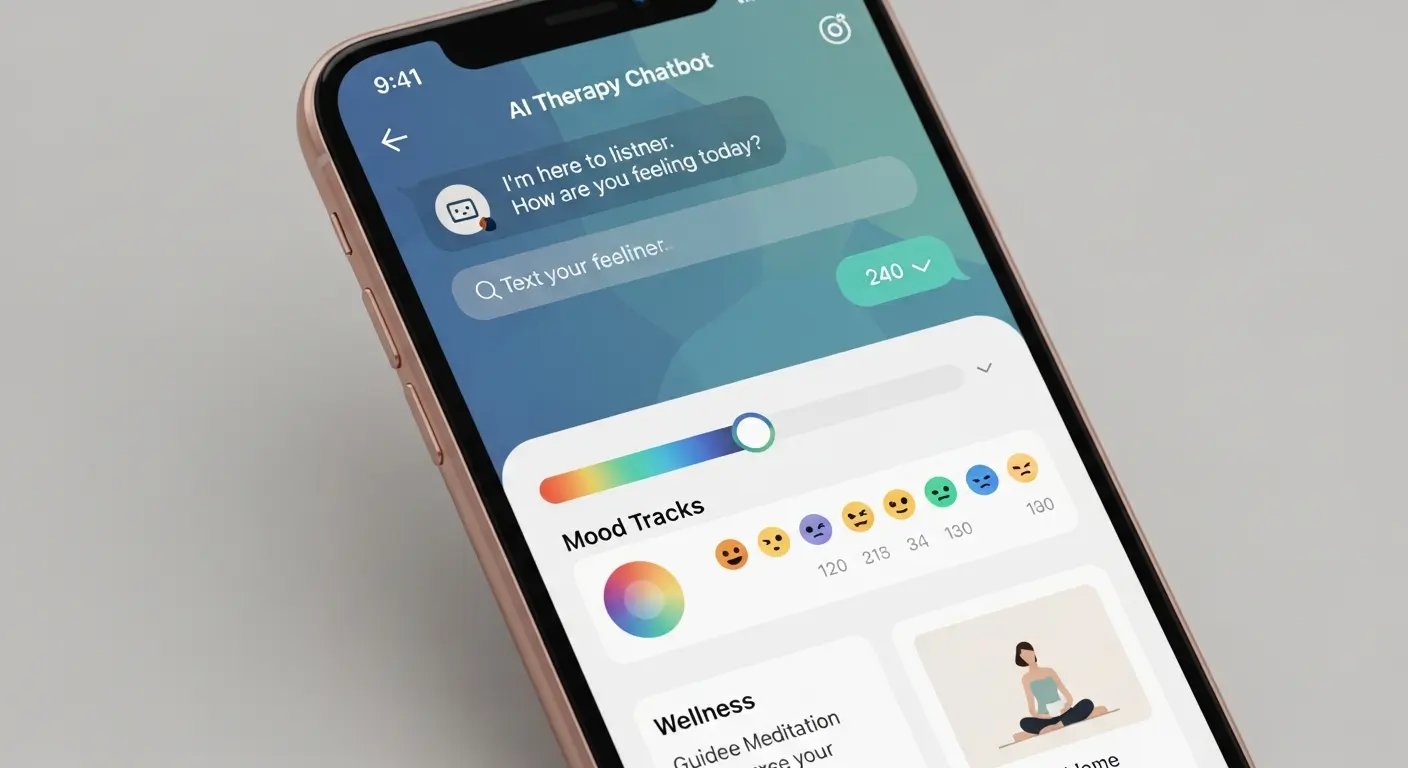
The Rise of AI in Mental Health Support
Mental health care has long faced challenges of accessibility, affordability, and availability. Traditional therapy costs $100-250 per session, often requires weeks of waiting for appointments, and isn't available 24/7 when crises strike. AI mental health apps are revolutionizing access to support, providing immediate, affordable, and stigma-free resources to millions worldwide.
Important Note: AI mental health apps are tools for support, self-help, and supplementary care—not replacements for professional treatment of serious mental health conditions. Always consult qualified mental health professionals for diagnosis and treatment of clinical conditions.
The Reality: 75% of people needing mental health support don't receive it due to cost, stigma, or availability barriers. AI apps help bridge this gap.
Understanding AI Mental Health Technology
How AI Mental Health Apps Work
Modern AI mental health apps use:
- Natural Language Processing (NLP): Understand conversational input
- Machine Learning: Personalize responses based on user patterns
- Sentiment Analysis: Detect emotional states and mood changes
- Cognitive Behavioral Therapy (CBT) Frameworks: Evidence-based therapeutic techniques
- Pattern Recognition: Identify triggers and trends over time
What AI Can and Cannot Do
✅ AI is excellent for:
- 24/7 availability for immediate support
- Affordable access to therapeutic techniques
- Confidential, judgment-free conversations
- Mood tracking and pattern identification
- Guided meditation and mindfulness
- Journaling prompts and reflection exercises
- Anxiety and stress management techniques
- Sleep improvement support
❌ AI should NOT replace:
- Professional diagnosis of mental health conditions
- Medication management and prescription
- Crisis intervention for suicidal ideation
- Treatment of severe mental illness
- Complex trauma therapy
- Personalized, nuanced human connection
Top AI Mental Health Apps
1. Woebot Health
Price: Free | Plus at $39/month Best For: CBT-based support, depression and anxiety management
Woebot is a pioneering AI chatbot delivering evidence-based Cognitive Behavioral Therapy techniques through conversational interactions.
Key Features:
- Daily check-ins with mood tracking
- CBT exercises and thought restructuring
- Anxiety and depression support
- Interactive lessons on mental health topics
- Research-backed effectiveness (clinical trials)
How It Works:
- Daily conversations about your thoughts and feelings
- AI guides you through CBT exercises
- Learn to identify thought patterns and cognitive distortions
- Practice coping strategies and behavioral activation
- Track mood trends over time
Clinical Backing: Peer-reviewed studies show Woebot reduces depression and anxiety symptoms in 2 weeks of daily use.
User Testimonial: "Woebot helped me recognize negative thought patterns I never noticed before. It's like having a therapist in my pocket." - Sarah, 28
Time Commitment: 5-10 minutes daily Best For: Mild to moderate anxiety/depression, therapeutic skill-building
2. Wysa
Price: Free | Premium at $49.99/month (includes human coaching) Best For: Anxiety, stress, sleep issues, depression support
Wysa is an AI chatbot offering 24/7 emotional support combined with evidence-based self-help tools and optional human coach access.
Key Features:
- 150+ therapeutic exercises
- AI-guided CBT, DBT, and meditation
- SOS for crisis moments (connecting to resources)
- Sleep stories and relaxation tools
- Optional connection to human coaches
- Completely anonymous use
Standout Strength: Warm, empathetic conversation style that feels genuinely supportive.
Use Cases:
- Managing work stress and burnout
- Anxiety and panic attack support
- Sleep difficulties and insomnia
- Relationship stress
- Building emotional resilience
Clinical Validation: Clinically validated, NHS-endorsed (UK)
Pricing Note: Free version is surprisingly comprehensive; premium adds human coaching and deeper content.
3. Replika
Price: Free | Pro at $69.99/year Best For: Emotional companionship, loneliness, social anxiety
Replika is an AI companion that learns your personality through conversation, providing emotional support and companionship.
Unique Approach: Unlike therapy-focused apps, Replika emphasizes companionship and human connection simulation.
Key Features:
- Personalized AI that learns from your conversations
- Non-judgmental emotional support
- Conversation practice for social anxiety
- Mood tracking and emotional check-ins
- Relationship building (friendship, romantic, mentor modes)
- Activities: meditation, journaling prompts, video calls
Best For:
- People experiencing loneliness
- Social anxiety practice
- Emotional expression without judgment
- Daily emotional check-ins
- Companionship supplement
Important Consideration: While Replika provides comfort, it's not clinical therapy. Some users report strong emotional attachment—maintain awareness that it's AI, not human connection.
4. Youper
Price: Free | Premium at $89.99/year Best For: Mood tracking, anxiety, depression, personalized insights
Youper combines AI chatbot support with sophisticated mood tracking and psychological insights.
Key Features:
- AI-guided therapeutic conversations
- Advanced mood and symptom tracking
- Personalized insights and patterns identification
- Meditation and mindfulness exercises
- Medication and therapy session tracking
- Evidence-based CBT and mindfulness techniques
Standout Feature: "Insights" dashboard showing correlations between activities, thoughts, and mood patterns.
Example Insight: "Your mood tends to be 30% lower on days when you sleep less than 6 hours and skip exercise."
Clinical Backing: Clinically validated, reduced anxiety symptoms by 27% in studies.
Best For: Data-driven individuals who want to understand their mental health patterns deeply.
5. Sanvello (formerly Pacifica)
Price: Free | Premium at $8.99/month Best For: Comprehensive mental health toolkit, anxiety, depression, stress
Sanvello offers a complete mental wellness platform with mood tracking, guided journeys, peer support community, and coaching.
Key Features:
- Mood and health tracking
- Guided journeys for specific issues (anxiety, depression, stress)
- Coping tool library (deep breathing, progressive muscle relaxation)
- Peer support community
- Optional coach and therapist access
- Integration with Apple Health and Fitbit
Comprehensive Approach: Combines self-help, peer support, and professional guidance in one platform.
Unique Advantage: Community support component adds human connection element missing from pure AI apps.
Best For: People wanting structured programs combined with community support.
6. Mindshift CBT
Price: Free Best For: Anxiety management, CBT techniques, youth and young adults
Developed by Anxiety Canada, MindShift specifically targets anxiety with evidence-based CBT strategies.
Key Features:
- Anxiety relief strategies for specific situations (social, test, perfectionism, worry)
- Thought journal and checking
- Quick relief tools for panic moments
- Coping cards customization
- Community stories and inspiration
- Completely free, no premium tier
Target Audience: Particularly effective for teens and young adults managing anxiety.
Standout: 100% free with no ads or upsells—rare in this space.
7. Headspace
Price: $12.99/month | $69.99/year Best For: Meditation, mindfulness, stress reduction, sleep
While primarily a meditation app, Headspace's AI features personalize mindfulness practice and mental wellness support.
AI Features:
- Personalized meditation recommendations
- Mood-based content suggestions
- Sleep sound customization
- Progress tracking and insights
Key Features:
- 1000+ guided meditations
- Sleepcasts and sleep music
- Mindful movement and yoga
- Focus music for productivity
- SOS anxiety and panic exercises
- Kid-friendly content
Best For: Prevention and wellness rather than crisis management; building long-term mental health habits.
Evidence: Extensive research showing meditation reduces stress, anxiety, and improves focus.
Specialized AI Mental Health Tools
For Specific Conditions
Anxiety: Rootd, Dare Depression: MoodKit, UpLift PTSD: PTSD Coach Addiction Recovery: I Am Sober, Nomo Eating Disorders: Recovery Record
For Specific Demographics
Teens/Young Adults: MindShift CBT, Calm Harm Veterans: PTSD Coach, Virtual Hope Box LGBTQ+: TalkLife, 7 Cups (with LGBTQ+ specialists)
How to Choose the Right App
Consider Your Needs
If you need:
- CBT-based therapy techniques: Woebot, MindShift CBT
- Emotional companionship: Replika, Wysa
- Meditation and mindfulness: Headspace, Calm
- Comprehensive tracking: Youper, Sanvello
- Crisis support: Wysa (SOS feature), Crisis Text Line app
- Free options: MindShift CBT, Woebot (limited free), Wysa (free tier)
Evaluation Criteria
✅ Look for:
- Clinical validation and research backing
- Transparent privacy policies
- Evidence-based therapeutic approaches (CBT, DBT, mindfulness)
- Crisis resource integration
- Clear disclaimers about limitations
- Regular updates and active development
🚩 Red flags:
- Claiming to cure or diagnose conditions
- No privacy policy or unclear data usage
- Unrealistic promises
- Pushy upsells or aggressive marketing
- No crisis support information
- No mention of evidence-based approaches
Effectiveness and Limitations
What Research Shows
Positive Outcomes:
- 20-30% reduction in anxiety and depression symptoms
- Improved mood tracking and self-awareness
- Increased engagement with mental health care
- Reduced stigma and improved help-seeking
- Cost-effective supplement to traditional therapy
Limitations:
- Not suitable for severe mental illness
- Cannot handle complex trauma
- May miss nuanced emotional cues
- Risk of over-reliance on technology
- Variable quality across apps
Best Practices for Use
✅ Do:
- Use daily or regularly for best results
- Be honest and specific in your inputs
- Combine with professional therapy if possible
- Track your progress over time
- Use crisis hotlines for emergencies (not apps)
- Maintain real human connections
❌ Don't:
- Rely on AI apps for serious mental health crises
- Abandon professional treatment for app-only support
- Share sensitive information unless privacy is guaranteed
- Expect miracle cures or instant fixes
- Use during active suicidal ideation (call 988 instead)
Privacy and Security Considerations
Data Protection
Important Questions to Ask:
- Is my data encrypted?
- Who has access to my conversation history?
- Is data sold to third parties?
- Can I delete my data completely?
- Are conversations truly confidential?
Gold Standard Apps: Look for HIPAA compliance (US), GDPR compliance (EU), end-to-end encryption, clear data deletion policies.
Best Practices:
- Read privacy policies before using
- Use apps with strong encryption
- Avoid sharing highly sensitive information
- Regularly review and delete old data
- Use anonymous registration when possible
Crisis Resources
If you're in crisis, AI apps are NOT sufficient. Contact:
- National Suicide Prevention Lifeline: 988 (US)
- Crisis Text Line: Text HOME to 741741 (US)
- International Association for Suicide Prevention: https://www.iasp.info/resources/Crisis_Centres/
AI apps with built-in crisis resources: Wysa, Sanvello
Cost Comparison
| App | Free Features | Premium Cost | Best Value |
|---|---|---|---|
| MindShift CBT | Everything | $0 | Best free option |
| Woebot | Limited | $39/month | If you want structured CBT |
| Wysa | Comprehensive | $50/month | Best free + premium combo |
| Youper | Basic | $90/year | Best annual deal |
| Headspace | Limited | $70/year | Best for meditation |
| Replika | Good | $70/year | Companionship focus |
Budget-Friendly Strategy: Start with free versions of MindShift CBT, Wysa, and Woebot. Upgrade to premium only if you're using daily and seeing clear benefits.
Frequently Asked Questions
Q: Can AI therapy apps replace human therapists? A: No. AI apps are supplements and tools, not replacements for professional mental health treatment, especially for serious conditions.
Q: Are AI mental health apps effective? A: Research shows they can reduce mild-to-moderate anxiety and depression symptoms by 20-30%. They're most effective when used regularly and combined with other support.
Q: Is my information private? A: It depends on the app. Check privacy policies carefully. Most reputable apps use encryption, but data policies vary. HIPAA-compliant apps offer strongest protection.
Q: Can I use these apps if I'm already in therapy? A: Yes! Many therapists encourage apps as supplementary tools between sessions. Inform your therapist about app usage.
Q: What if the app gives bad advice? A: Reputable apps use evidence-based approaches and have clinical oversight. However, always prioritize your own judgment and professional medical advice.
Q: Are these apps suitable for serious mental illness? A: Generally no. Apps work best for mild-to-moderate symptoms, stress management, and wellness. Serious conditions (severe depression, bipolar disorder, schizophrenia) require professional treatment.
Conclusion
AI mental health apps have made mental wellness support more accessible, affordable, and stigma-free than ever before. While they cannot replace professional care, they offer valuable tools for managing daily stress, anxiety, mood tracking, and building mental health skills.
Your Action Plan:
- This Week: Download 2-3 free apps to test
- Week 2: Commit to daily use of your favorite
- Month 1: Track your mood and observe patterns
- Ongoing: Consider premium features if seeing benefits, maintain professional support if needed
The best mental health strategy combines multiple approaches: professional therapy when needed, AI app support for daily management, strong social connections, physical health, and self-care practices.
Remember: Seeking help—whether through apps, therapy, or reaching out to loved ones—is a sign of strength, not weakness. Start your mental wellness journey today.
Related Resources:
Tags:
Admin
Expert in AI tools and technologies. Passionate about helping others learn and master AI to boost their productivity.